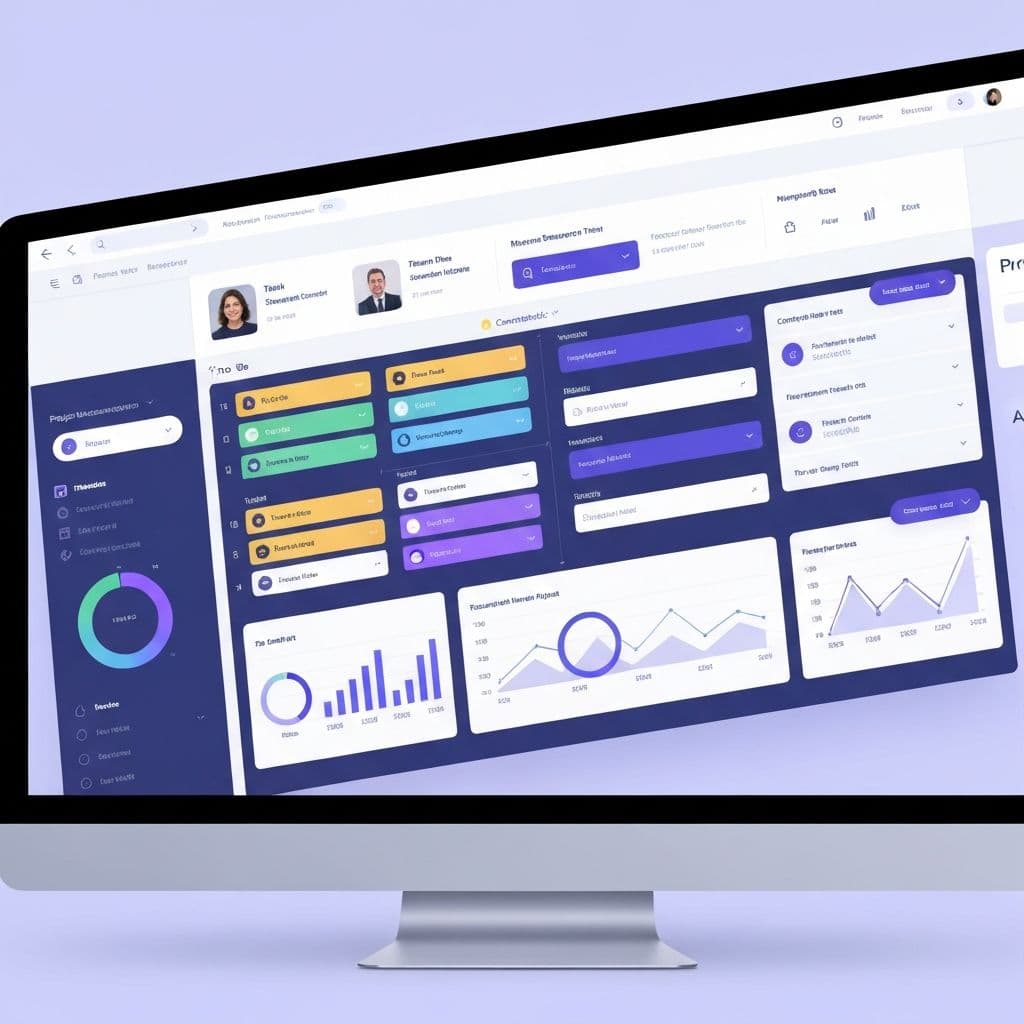
The fastest way to lose control of a SaaS budget is to estimate the product as one big number. Pricing becomes clearer when you break the work into business logic, interface complexity, user roles, integrations, and post-launch support.
What actually changes the budget
A SaaS product with one user role, a simple dashboard, and a clean onboarding flow can be planned efficiently. The moment you add billing logic, permissions, analytics, admin tools, notifications, and reporting, the architecture and testing surface area grow quickly.
Integrations also move budgets faster than most founders expect. Payment gateways, CRMs, document generation, warehouse tools, and external APIs all introduce edge cases that take time to design and verify.
"SaaS cost is rarely a code problem first. It is usually a product-definition problem."
Why phased delivery protects cash flow
A well-planned MVP is not a smaller dream. It is the shortest version of the product that can prove demand, gather user behavior, and create internal confidence. Founders who phase their SaaS roadmap usually make better product decisions because the market informs what gets built next.
That means launch one with the core workflow, billing foundation, analytics basics, and admin visibility. Later phases can add deeper automation, richer reporting, and secondary user journeys once data shows they matter.
Key Takeaways
- Scope clarity has a larger impact on SaaS budgets than framework choice.
- User roles, integrations, and reporting are major cost multipliers.
- A phased MVP helps control spend and improves product decisions.
- Good estimates include assumptions, risks, and launch priorities.
How agencies should estimate the work
A strong estimate connects business outcomes to technical scope. You should know what the product needs to do, who uses it, what success looks like, and which systems it must connect to before anyone promises a number.
If an estimate arrives without discovery, assumptions, or delivery phases, it is not really an estimate. It is a guess with design language around it.